Top 7 Esports / FPS Mice (2026)
Competitive FPS gamers demand ultra-light, ultra-fast mice with high-precision sensors. We highlight sub-60g (or so) wired and wireless models optimized for lightning-quick flicks and precise aim. These sacrifice extra features for raw speed, so avoid them if you need heavy palm support or many buttons.
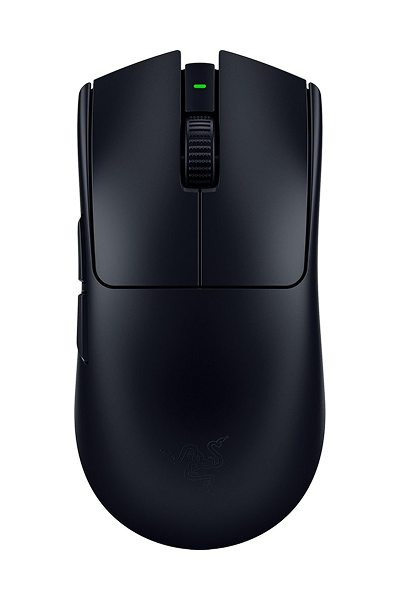
Razer Viper V3 Pro
A 54g wireless esports mouse with Razer's Focus Pro 35K optical sensor (35,000 DPI) and true 8000Hz polling. Its ultra-light symmetrical design and long battery life make it a pro-grade choice for fast flicks and precise aiming.
Specifications
- Sensor Razer Focus Pro 35K Gen-2 (optical)
- Weight ~54 g
- DPI 35,000
- Polling Rate 8000 Hz
- Connectivity Wireless 2.4GHz (HyperSpeed) and wired USB-C
- Shape Symmetrical ambidextrous
Pros
- Extremely lightweight (54g)
- True 8000Hz wireless polling
- High-end 35K DPI optical sensor
- Excellent build quality and grip
- Long ~95hr battery life
Cons
- No Bluetooth or multi-device pairing
- Scroll wheel has no tilt/free-spin
- Only one profile on-board memory
- Premium price tag
Logitech G Pro X Superlight 2
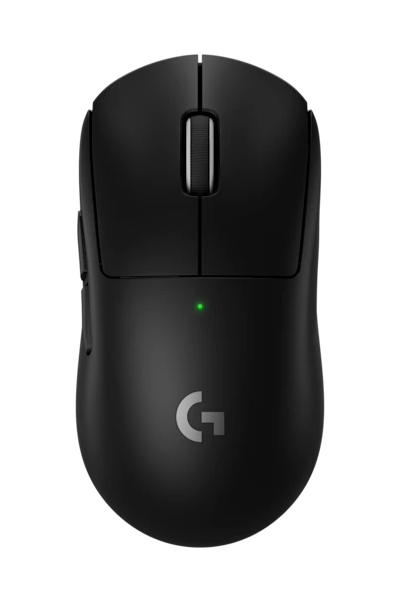
A ~60g wireless gaming mouse with Logitech's HERO 2 sensor (44,000 DPI) and ultra-fast 8000Hz Lightspeed wireless. Its ambidextrous low-profile shape, optical switches, and 95-hour battery life deliver pro-level responsiveness in FPS play.
Specifications
- Sensor Logitech HERO 2 (optical)
- Weight 60 g
- DPI 44,000
- Polling Rate 8000 Hz
- Connectivity Wireless (Logitech Lightspeed)
- Shape Symmetrical (ambidextrous)
Pros
- Ultra-light at ~60g
- Advanced HERO 2 sensor (44K DPI)
- 8KHz wireless polling (Lightspeed)
- Excellent build quality
- Long 95hr battery life
Cons
- No Bluetooth or multi-device support
- Scroll wheel lacks tilt/free-spin
- Stock feet may need upgrade
- Premium price
Endgame Gear OP1 8K v2
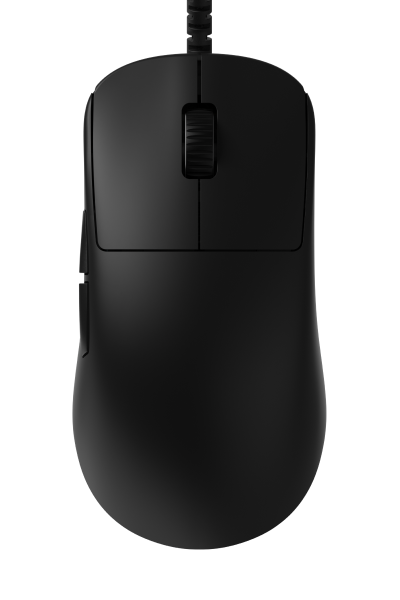
A 49.5g wired esports mouse built for claw-grip control. It features a PixArt PAW3950 sensor (30,000 CPI) and true 8000Hz polling. Hot-swappable Kailh switches and extended side walls give pro players customizable precision and comfort during high-speed play.
Specifications
- Sensor PixArt PAW3950 (optical)
- Weight 49.5 g
- DPI up to 30,000
- Polling Rate 8000 Hz
- Connectivity Wired (USB Flex Cord)
- Shape Ergonomic (right-handed claw)
Pros
- Ultra-light 49.5g design
- True 8000Hz polling rate
- High-precision PixArt 30K sensor
- Hot-swappable main switches
- Claw-optimized design with grip walls
Cons
- Wired only (no wireless)
- Very specialized claw shape
- No Bluetooth or onboard profiles
- Premium cost
Cooler Master MM730
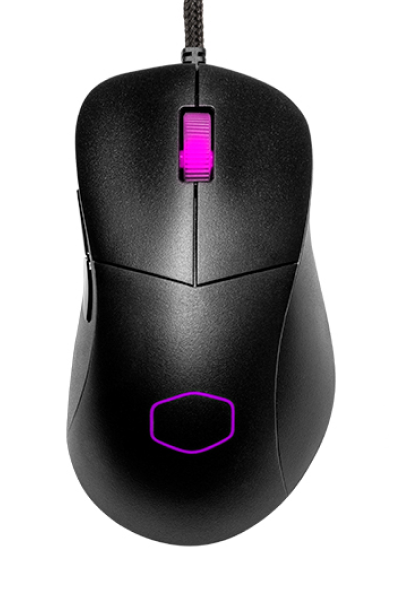
An ultra-light 48g wired gaming mouse with a right-handed ergonomic design. It uses a PixArt PMW3389 sensor (up to 16,000 DPI) and large PTFE feet for smooth glide. This palm/claw-friendly mouse balances classic shape with pro-grade speed.
Specifications
- Sensor PixArt PMW3389 (optical)
- Weight 48 g
- DPI up to 16,000
- Polling Rate 1000 Hz
- Connectivity Wired (USB)
- Shape Ergonomic (right-handed)
Pros
- Super-light ~48g weight
- Classic ergonomic shape
- 16K DPI PixArt sensor
- High-quality PTFE glide feet
- Solid build and materials
Cons
- Wired only (no wireless)
- Standard 1000Hz polling
- No extra buttons (very basic)
- Higher cost than simplicity
ASUS ROG Harpe Ace Aim Lab Edition
A 54g ambidextrous wireless mouse with ASUS's ROG AimPoint sensor (up to 36,000 DPI). It supports USB, 2.4GHz, and Bluetooth modes, and ~90hr battery life. Compact and ultra-fast, it suits versatile FPS gaming and aim training.
Specifications
- Sensor ASUS ROG AimPoint (optical)
- Weight 54 g
- DPI up to 36,000
- Polling Rate 1000 Hz
- Connectivity Wireless (USB, RF 2.4GHz, Bluetooth)
- Shape Ambidextrous
Pros
- Lightweight 54g ambidextrous design
- High-res 36K DPI AimPoint sensor
- Tri-mode wireless (USB, 2.4GHz, BT)
- Long ~90hr battery life
- Supported by ASUS Armoury Crate software
Cons
- 1000Hz polling only
- Small size may not fit large hands
- Needs software for full customization
- Premium price point
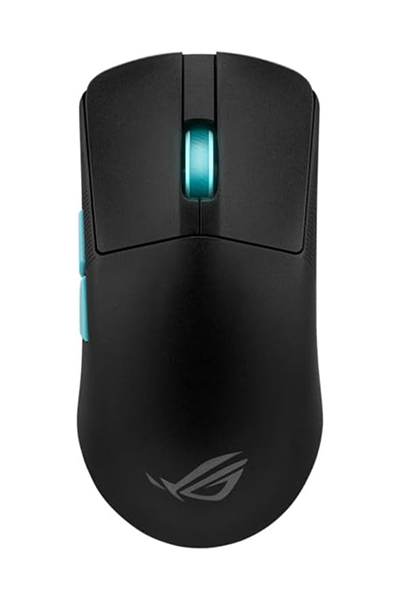
Razer DeathAdder V4 Pro
A 56g wireless mouse based on Razer's iconic DeathAdder shape. It packs the Focus Pro 45K Gen-2 sensor (45,000 DPI) and true 8000Hz HyperSpeed wireless. With Gen-4 optical switches and up to 150hr battery, it combines comfort and pro-level responsiveness.
Specifications
- Sensor Razer Focus Pro 45K Gen-2 (optical)
- Weight 56 g
- DPI up to 45,000
- Polling Rate 8000 Hz
- Connectivity Wireless (Razer HyperSpeed Gen-2)
- Shape Ergonomic (right-handed)
Pros
- Ultra-light 56g ergonomic design
- Top-tier 45K DPI sensor
- True 8000Hz wireless polling
- Exceptional 150hr battery life
- Optical scroll wheel and switches (no debounce)
Cons
- Right-hand only (not ambidextrous)
- High price point
- Must use dongle for 8KHz mode
- Limited onboard profiles
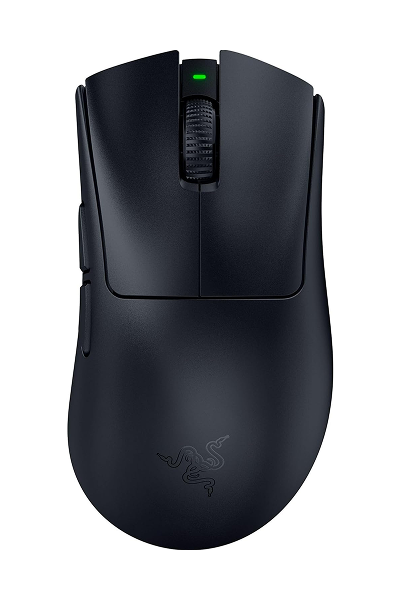
Razer Viper V2 Pro
A 59g ambidextrous wireless gaming mouse with Razer's Focus Pro 30K sensor (30,000 DPI). It features Gen-3 optical switches (90M clicks) and ~90hr battery life. HyperSpeed wireless and a simple symmetrical shell make it a top choice for competitive FPS aiming.
Specifications
- Sensor Razer Focus Pro 30K (Gen-2) optical
- Weight 59 g
- DPI up to 30,000
- Polling Rate 1000 Hz
- Connectivity Wireless/Wired
- Shape Symmetrical (ambidextrous)
Pros
- Ultra-light 59g ambidextrous design
- Reliable Focus Pro 30K sensor
- Gen-3 optical switches (90M click life)
- Up to 90hr battery life
- HyperSpeed wireless performance
Cons
- 1000Hz polling only (no 8KHz)
- No multi-device pairing
- Minimal side buttons
- Premium price
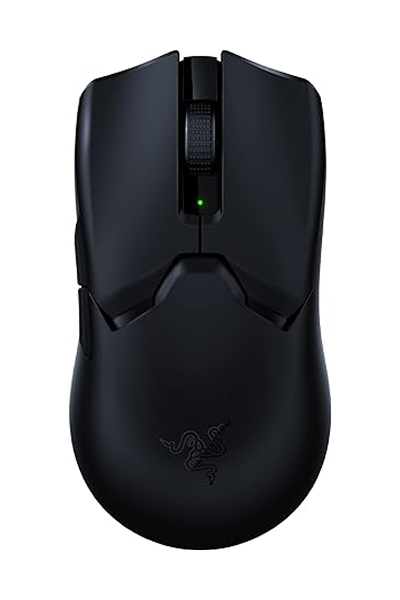
The top esports mice combine feather-light weight with pro-level sensors. Consider each model's shape and connectivity (wired vs wireless) based on your grip and setup. Any of the above gives a competitive edge, choose the one that feels best in your hand, and you'll play with confidence and precision.
Sources: Official product pages and manufacturer documentation for specifications. pros/cons are based on expert reviews. images are from official manufacturer webites and belong to their respective owners.
Share on